
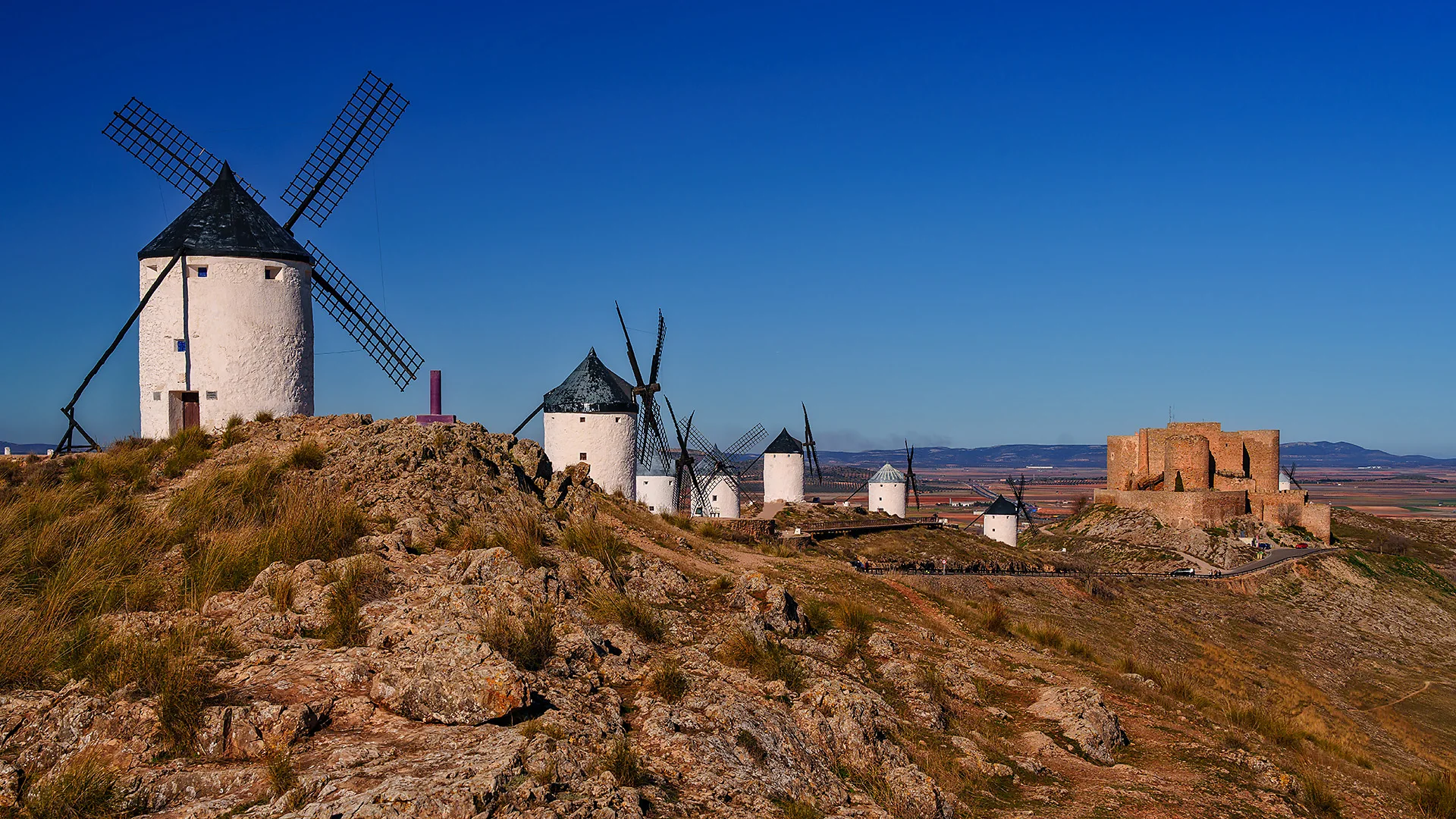
Africa Travel Trends 2026/2027: Sustainable & Authentic Luxury
As Africa continues to emerge as one of the world’s most captivating travel destinations, the 2026/2027 tourism landscape is being shaped by a profound shift in traveller expectations. Today’s global explorers are no longer satisfied with scenic beauty alone, they seek purposeful, responsible, and deeply immersive experiences. For Africa DMC Group, this evolution presents a powerful opportunity to design journeys that reflect these values while celebrating the continent’s extraordinary diversity.
Sustainability at the Core
Sustainability has moved from a niche consideration to a defining principle of modern travel. Today’s travellers are increasingly mindful of their environmental and social impact, favoring destinations and partners who demonstrate genuine commitment to conservation and community empowerment.
Across Africa, eco-conscious practices are becoming standard, from environmentally responsible lodges to conservation-driven safari experiences. Africa DMC Group is well positioned to lead in this space through strategic partnerships with eco-certified properties, support for wildlife conservation initiatives, and the creation of itineraries that deliver meaningful benefits to local communities.
A Shift Toward Cultural Connection
Travelers are seeking more than observation, they want connection. Cultural and heritage tourism continues to gain momentum as visitors look to engage authentically with local traditions, cuisine, music, and history.
By curating experiences such as guided community visits, storytelling encounters, and interactive workshops, Africa DMC Group enables travelers to build genuine relationships with the destinations they explore. Africa’s rich cultural heritage offers a powerful foundation for journeys that are not only memorable but transformative.
The Rise of Slow and Intentional Travel
In contrast to traditional, fast-paced itineraries, slow travel is redefining how people experience destinations. Travelers are increasingly choosing to spend more time in fewer places, allowing for deeper exploration and a more meaningful connection to their surroundings.
This approach aligns naturally with Africa’s vast landscapes and diverse ecosystems. Whether through extended stays in private conservancies or immersive coastal retreats, slow travel enhances both the guest experience and sustainable tourism outcomes.
Expanding Access, Unlocking Potential
Ongoing infrastructure development across the continent is reshaping accessibility. Expanded air networks, modernized airports, and improved transport systems are opening up regions that were once difficult to reach.
This enhanced connectivity allows Africa DMC Group to diversify its offerings, introducing clients to lesser-known destinations and creating new travel circuits. In doing so, tourism can be more evenly distributed, helping to preserve high-traffic areas while showcasing Africa’s hidden gems.
Redefining Luxury with Purpose
Perhaps the most significant transformation is the evolving definition of luxury. Today’s discerning traveller values authenticity, exclusivity, and impact over traditional notions of opulence. Luxury is now defined by meaningful experiences, privacy, and a sense of purpose.
In Africa, this translates into conservation-led safaris, intimate accommodations, highly personalized service, and experiences deeply rooted in nature and culture. Travelers want to feel connected to the land, its wildlife, and its people while knowing their journey contributes positively to preservation and sustainability.
Looking Ahead
The future of African tourism is both promising and purpose-driven. By embracing sustainability, championing cultural authenticity, and innovating in travel design, Africa DMC Group can continue to set the standard for exceptional, responsible travel experiences.
As we move into 2027 and beyond, Africa stands not just as a destination, but as a journey of transformation, one that leaves a lasting impact on both the traveller and the communities they encounter.
Recent Posts
Top Destinations in Africa – Africa Popular Destinations

General Travel Guidance for Africa
Africa Tourism Guide – Africa DMC Group
Tags