
Burkina Faso

Africa DMC Partner
Burkina Faso DMC Partner
Contact us today to discover how you can become an official DMC partner in your region.
Africa DMC Group is a powerful, pan-African alliance of trusted Destination Management Companies, united under one strong, integrity-driven brand. By joining our network, you gain visibility, credibility, and access to a continent-wide platform designed to elevate your business, expand your reach, and deliver exceptional travel experiences across Africa.
Burkina Faso – Heartbeat of West African Culture and Tradition
Burkina Faso is a culturally rich and deeply authentic destination in West Africa, known for its vibrant artistic heritage, traditional communities, and strong sense of identity. Though less frequented by mainstream tourism, Burkina Faso offers travelers a meaningful and immersive experience centered on culture, craftsmanship, and human connection. From lively markets and festivals to unique landscapes and historic towns, the country reveals the true spirit of West Africa.
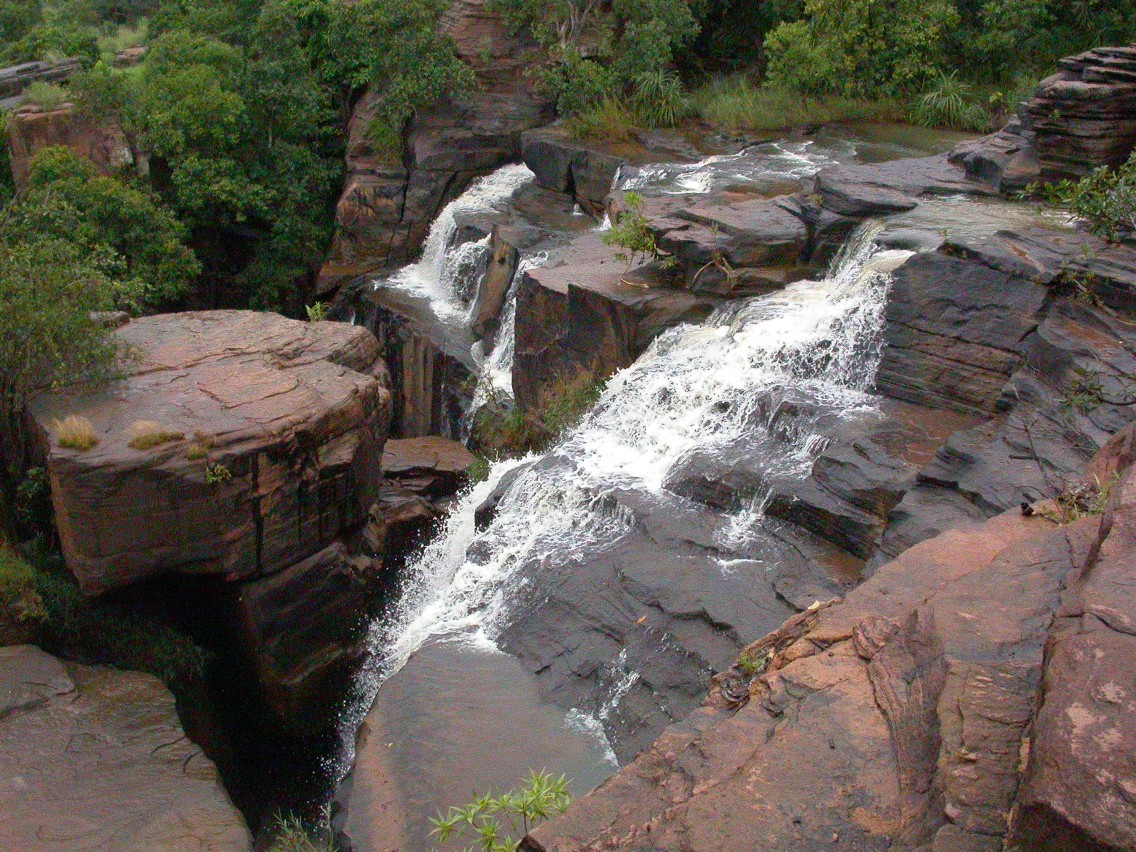
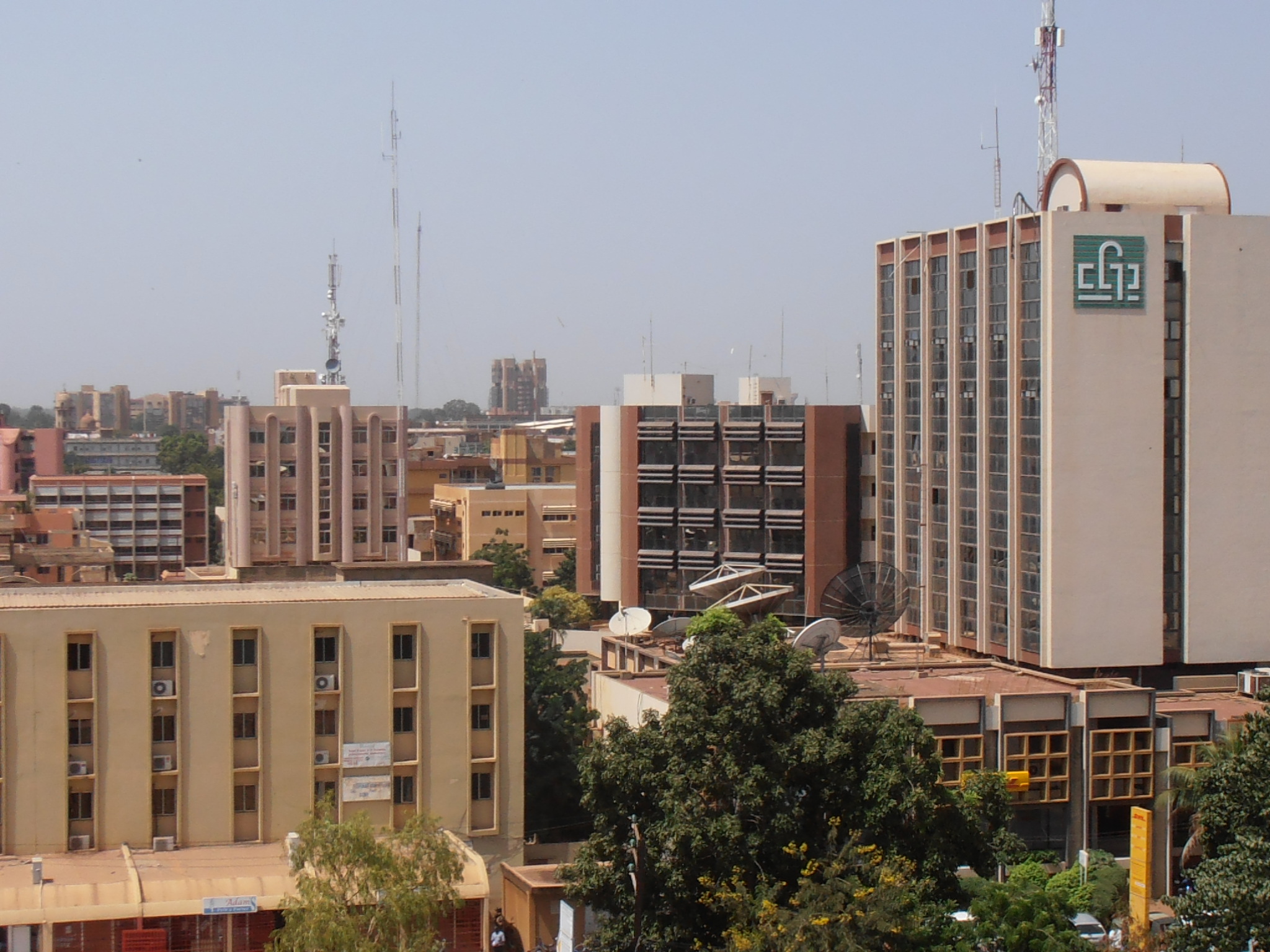
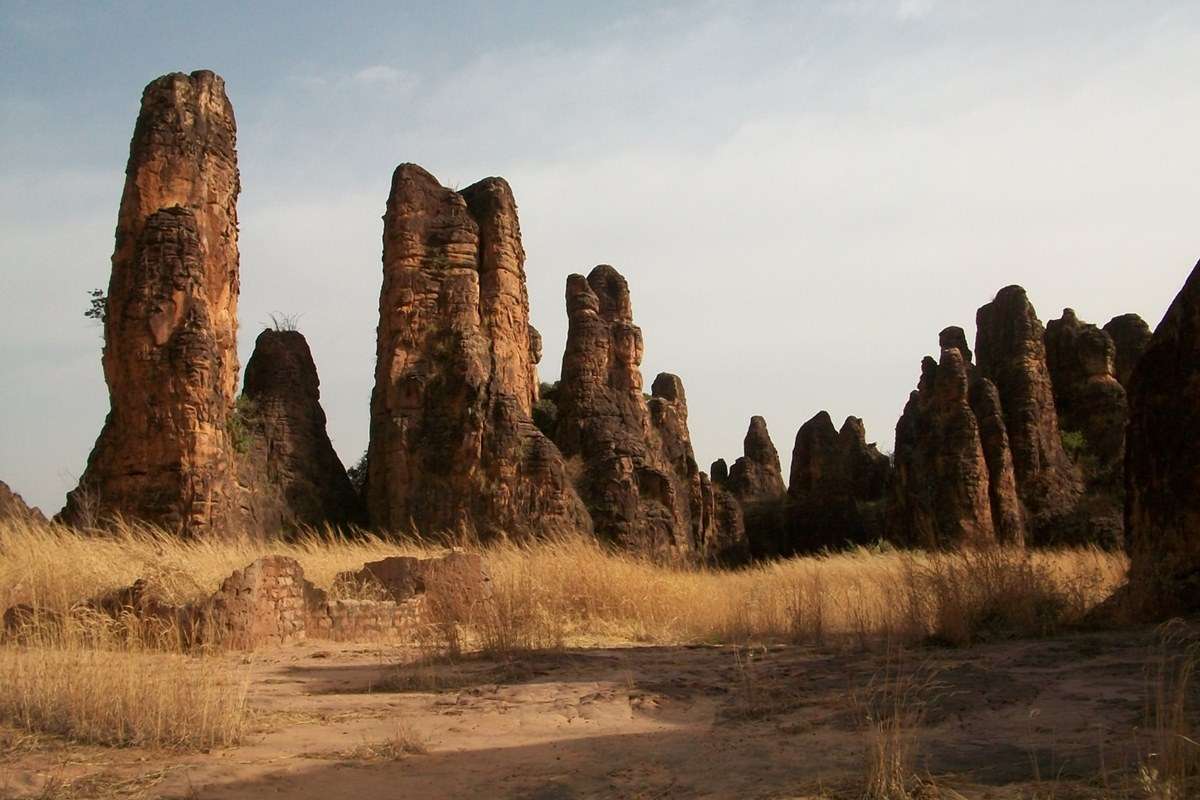
Burkina Faso is a landlocked country characterized by gently rolling plains, savannahs, and seasonal rivers. Its landscapes may appear understated at first glance, but they hold a quiet beauty shaped by rural life, agriculture, and traditional settlements.
In the southwest, the terrain becomes more dramatic, with features such as the striking Sindou Peaks—a series of narrow, jagged rock formations sculpted by erosion. Nearby, the lush Karfiguéla Waterfalls provide a refreshing contrast to the surrounding savannah, offering one of the country’s most scenic natural attractions.
Burkina Faso’s history is rooted in powerful pre-colonial kingdoms, particularly the Mossi kingdoms, which played a central role in shaping the country’s political and cultural identity. The influence of these kingdoms is still visible today in traditional leadership structures and ceremonial practices.
The country later became part of French West Africa before gaining independence in 1960. Despite modern changes, Burkina Faso has preserved a strong cultural continuity, with traditions, languages, and customs remaining central to everyday life.
Burkina Faso is widely regarded as one of Africa’s cultural capitals, especially in the fields of art, music, and film. The country hosts the renowned FESPACO, the largest African film festival, which attracts filmmakers and artists from across the continent and beyond.
Ouagadougou, the capital, is the cultural and administrative heart of the country. Known for its lively atmosphere, art scene, and welcoming people, the city offers markets, craft centers, music venues, and cultural institutions that reflect Burkina Faso’s creative energy.
Bobo-Dioulasso, the second-largest city, provides a more relaxed and historic atmosphere. It is known for its Sudanese-style architecture, particularly the Grand Mosque, as well as its vibrant music culture and traditional neighborhoods.
Burkina Faso is internationally recognized for its craftsmanship and artistic traditions. The country’s artisans produce a wide range of handmade goods, including textiles, bronze sculptures, leatherwork, and wood carvings. Markets and artisan villages offer visitors the chance to witness these skills firsthand and engage directly with local creators.
Music and dance are integral to cultural life, with rhythms and performances playing a role in ceremonies, festivals, and daily activities. Storytelling, masks, and traditional performances also form an important part of the country’s cultural identity.
While Burkina Faso is not primarily known as a safari destination, it does offer opportunities for wildlife viewing in protected areas such as Arly National Park, which forms part of the larger W-Arly-Pendjari (WAP) complex shared with neighboring countries. The park is home to elephants, antelope, and various bird species, although access and infrastructure are more limited compared to other African safari destinations.
Nature experiences in Burkina Faso are often combined with cultural exploration, providing a more holistic travel experience.
Burkinabé cuisine is simple, nourishing, and based on locally available ingredients such as millet, sorghum, maize, and rice. Meals are often accompanied by sauces made from vegetables, peanuts, or leafy greens. Grilled meats and street food are also popular, especially in urban areas.
Daily life in Burkina Faso emphasizes community, respect, and tradition. Visitors often encounter genuine hospitality and a strong sense of social connection, particularly in rural areas where traditional lifestyles remain deeply rooted.
Burkina Faso has a tropical climate with a distinct wet and dry season. The dry season, from November to May, is characterized by warm temperatures and the Harmattan winds, which bring dry, dusty air from the Sahara.
The rainy season, from June to October, transforms the landscape into a greener environment, particularly in the southwest. The best time to visit is typically between November and February, when temperatures are more moderate and travel conditions are more comfortable.
Burkina Faso offers a deeply authentic and culturally immersive travel experience that goes beyond conventional tourism. Its strength lies in its people, traditions, and artistic expression, making it a destination for travelers seeking meaningful cultural engagement.
From the vibrant streets of Ouagadougou to the natural beauty of the Sindou Peaks and the rhythms of local festivals, Burkina Faso provides a unique window into West Africa’s living heritage. For those drawn to culture, creativity, and genuine human connection, Burkina Faso stands as a rewarding and memorable destination.
Professional Travel Management Across Africa
Africa DMC Group