
Benin

Africa DMC Partner
Benin DMC Partner
Contact us today to discover how you can become an official DMC partner in your region.
Africa DMC Group is a powerful, pan-African alliance of trusted Destination Management Companies, united under one strong, integrity-driven brand. By joining our network, you gain visibility, credibility, and access to a continent-wide platform designed to elevate your business, expand your reach, and deliver exceptional travel experiences across Africa.
Benin – Cradle of Voodoo and Gateway to West African Heritage
Benin is one of West Africa’s most culturally profound and historically significant destinations, offering travelers a unique journey into ancient kingdoms, spiritual traditions, and vibrant everyday life. Located along the Gulf of Guinea, Benin is widely regarded as the birthplace of Vodun (Voodoo) and a center of powerful pre-colonial civilizations. With its rich heritage, welcoming communities, and diverse landscapes, Benin appeals to travelers seeking authenticity, history, and cultural immersion.
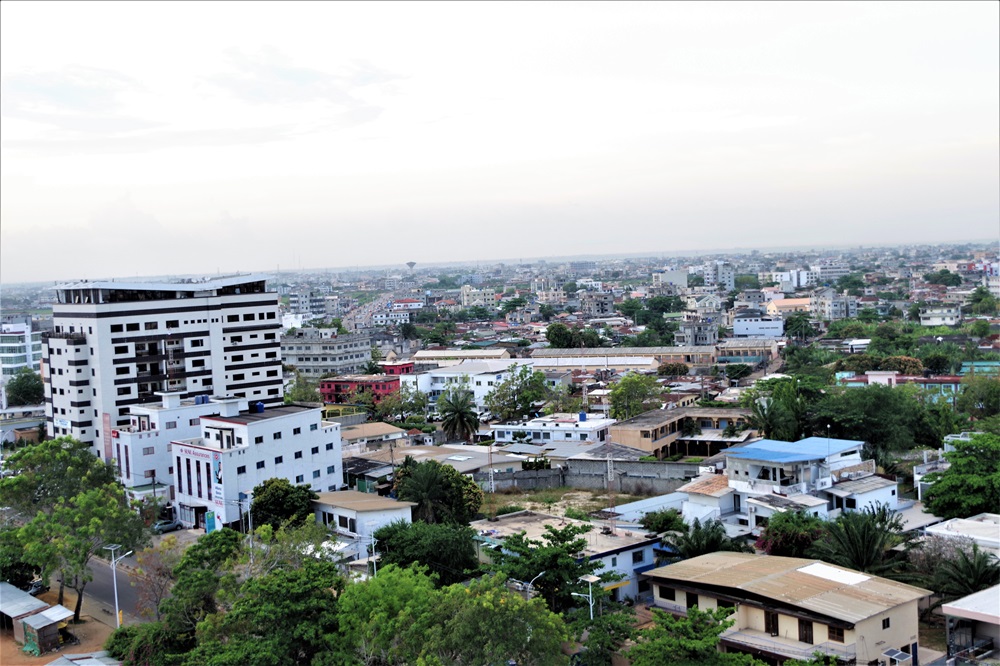
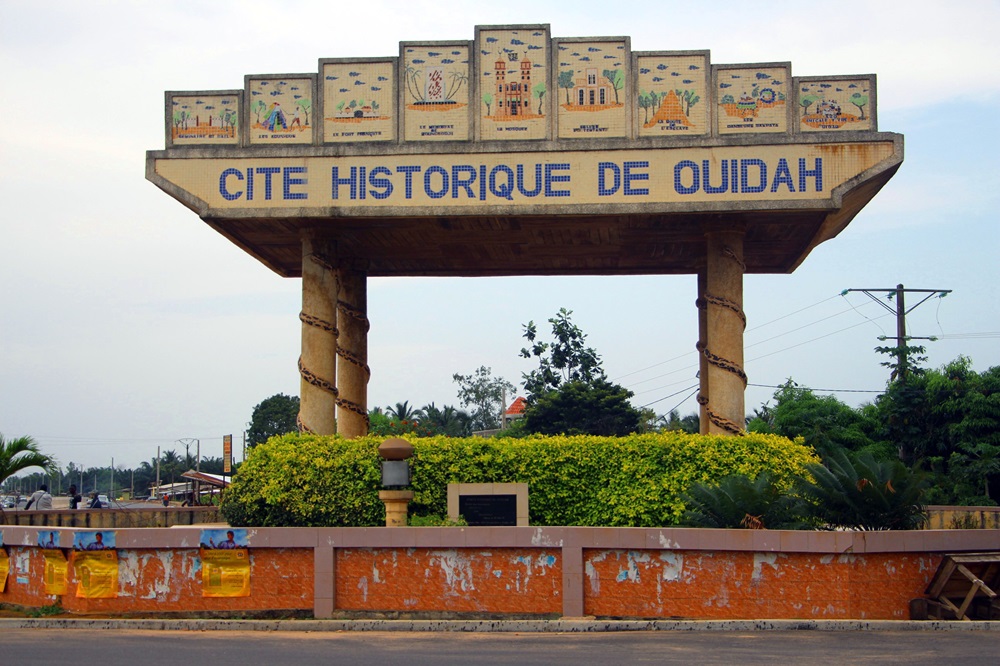
Benin’s geography stretches from a narrow Atlantic coastline in the south to savannah landscapes in the north. The southern region is characterized by sandy beaches, lagoons, and wetlands, while the central and northern areas transition into rolling hills, forests, and open plains.
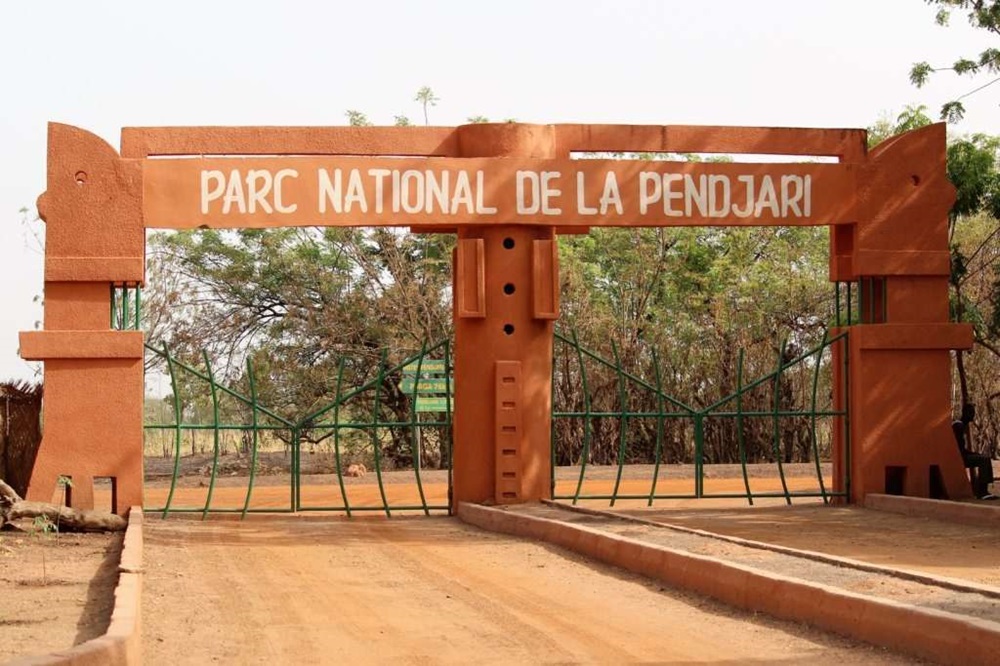
One of the country’s most unique natural and cultural landscapes is Lake Nokoué, home to the remarkable stilt village of Ganvié, often referred to as the “Venice of Africa.” In the north, Pendjari National Park forms part of the larger W-Arly-Pendjari (WAP) complex, one of West Africa’s most important wildlife reserves, known for its elephants, lions, and diverse ecosystems.
Benin’s history is deeply rooted in powerful pre-colonial kingdoms, particularly the Kingdom of Dahomey, which flourished between the 17th and 19th centuries. The legacy of this kingdom is preserved in Royal Palaces of Abomey, a UNESCO World Heritage Site that offers insight into the political, cultural, and spiritual life of the era.
Benin also holds a central place in the history of the transatlantic slave trade. The coastal town of Ouidah was one of the major departure points, and sites such as the Route des Esclaves and the Door of No Return serve as powerful reminders of this history.
Culturally, Benin is renowned as the birthplace of Vodun, a spiritual tradition that continues to play a vital role in daily life. Festivals, rituals, music, and dance are deeply intertwined with spiritual beliefs, offering visitors a rare opportunity to witness living traditions that have influenced cultures across the Atlantic.
Benin’s cities are vibrant, energetic, and full of cultural character. Cotonou, the economic capital, is a bustling hub known for its markets, nightlife, and coastal setting. The Dantokpa Market, one of the largest in West Africa, offers a lively experience filled with local crafts, textiles, and everyday goods.
The official capital, Porto-Novo, provides a more relaxed atmosphere and showcases a blend of Afro-Brazilian architecture and colonial heritage. Meanwhile, Ouidah stands out for its historical significance and spiritual importance, attracting visitors interested in both history and religion.
Benin is a destination where culture is not only preserved but actively celebrated. The annual Ouidah Voodoo Festival, held every January, is one of the country’s most significant events, drawing participants and visitors from around the world. This festival highlights traditional ceremonies, music, dance, and spiritual rituals associated with Vodun.
Throughout the country, traditional ceremonies, mask dances, and community festivals provide insight into Benin’s diverse ethnic groups and their enduring customs. Artisanship, including wood carving, textiles, and bronze work, also plays a central role in cultural expression.
For nature lovers, Benin offers rewarding wildlife experiences, particularly in Pendjari National Park. This park is one of the best places in West Africa to see large mammals in their natural habitat, including elephants, lions, buffalo, and antelope.
The park’s landscapes range from savannah to forest, creating a rich biodiversity that supports both wildlife viewing and birdwatching. Its relatively low visitor numbers make it an appealing destination for those seeking a more exclusive safari experience.
Beninese cuisine is flavorful and rooted in local ingredients such as maize, cassava, yams, and fresh fish. Dishes are often accompanied by rich sauces made from tomatoes, peanuts, or palm oil. Street food is widely available and offers an authentic taste of everyday life.
Meals are typically communal, reflecting strong social and family bonds. Hospitality is a key aspect of Beninese culture, and visitors are often welcomed warmly and encouraged to engage with local customs and traditions.
Benin has a tropical climate with distinct wet and dry seasons. The southern regions experience two rainy seasons, while the north has one. Temperatures are generally warm year-round, with higher humidity along the coast.
The best time to visit Benin is during the dry season, from November to March, when travel conditions are more favorable for exploring cities, cultural sites, and national parks. This period also coincides with major cultural events, including the Ouidah Voodoo Festival.
Benin offers a deeply enriching travel experience rooted in history, spirituality, and cultural authenticity. From the royal heritage of Abomey to the sacred traditions of Vodun and the wildlife of Pendjari, the country provides a diverse and meaningful journey for curious travelers.
Less commercialized than many destinations, Benin invites visitors to connect with West Africa’s living traditions, explore its historical depth, and experience a culture that continues to influence the world. For travelers seeking insight, authenticity, and cultural discovery, Benin stands as one of Africa’s most compelling destinations.
Professional Travel Management Across Africa
Africa DMC Group