
Angola

CHOSTOURS - PRESTAÇÃO DE SERVIÇOS, LDA
Angola DMC Partner
CHOSTOURS – PRESTAÇÃO DE SERVIÇOS, LDA is a travel and tourism company based in Luanda, Angola, specializing in the organization of tours, travel packages, and guided experiences across the country.
We provides customized itineraries, cultural tours, safari experiences, and group excursions for both local and international clients. Our operations are primarily based in Luanda, with services extending to multiple destinations throughout Angola.
- Phone/WhatsApp: +244 925 522 217
- Email: info@chostours.ao
- Website: www.chostours.com
- Address: R. Robert ShieldsLuanda, Angola
Angola – Untamed Beauty of Africa’s Atlantic Coast and Wilderness
Angola is one of Southern Africa’s most captivating and underexplored destinations, offering a striking blend of Atlantic coastline, vast wilderness, and rich cultural heritage. Emerging steadily as a tourism destination, Angola rewards adventurous travelers with dramatic landscapes, vibrant cities, and authentic cultural experiences. From pristine beaches and powerful waterfalls to wildlife reserves and historic towns, Angola presents a rare opportunity to experience Africa beyond conventional travel routes.
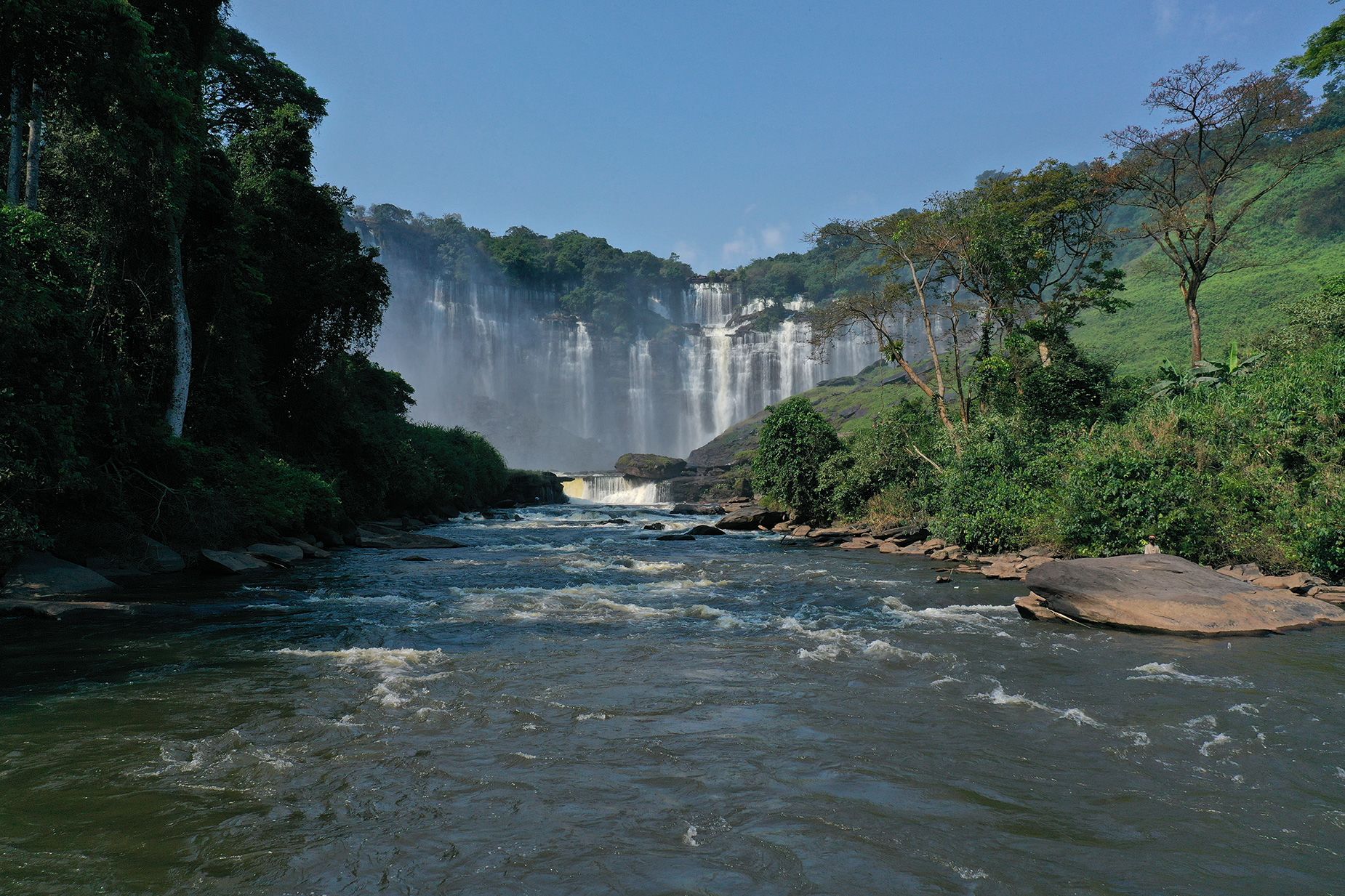
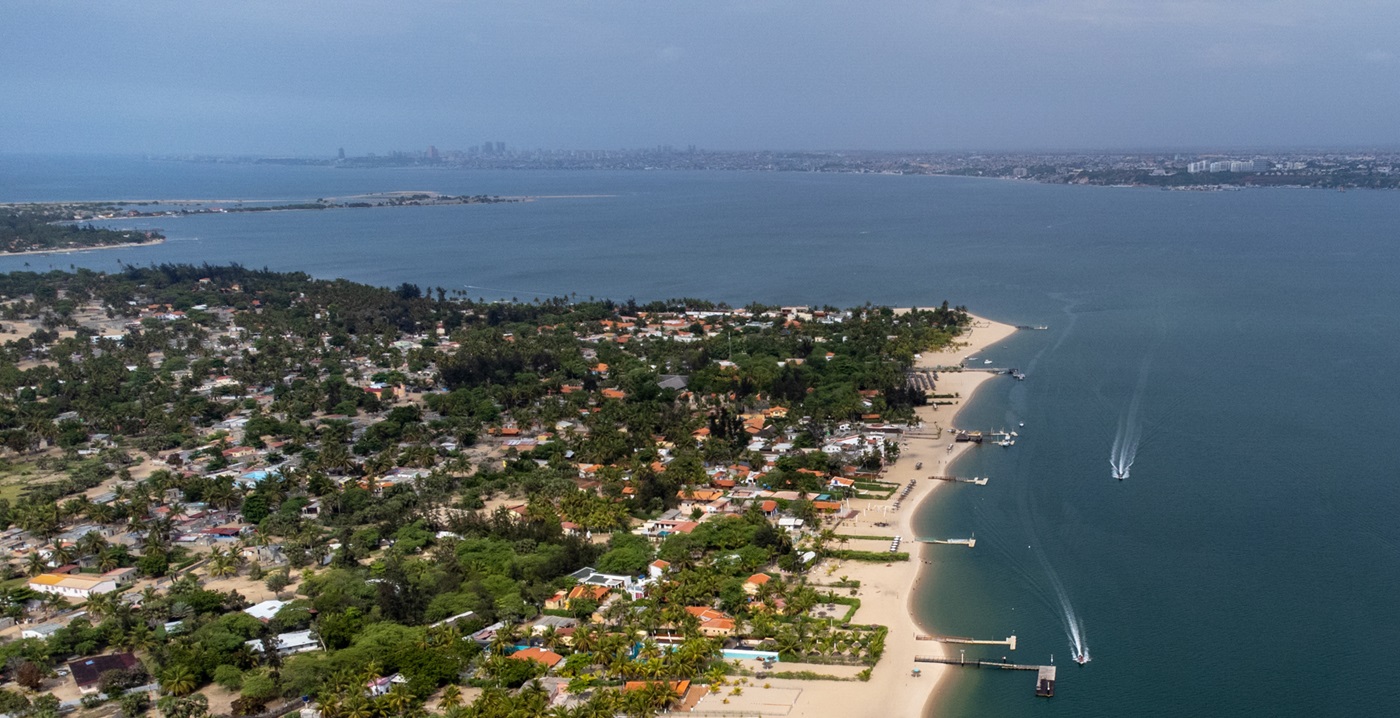
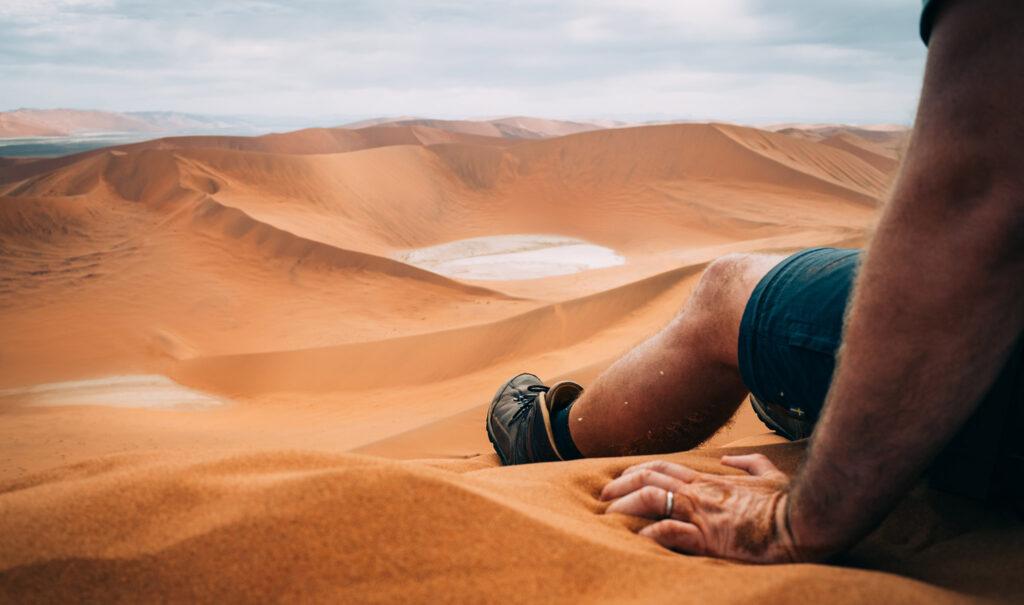
Angola’s geography is defined by diversity and scale, stretching from the Atlantic Ocean deep into the African interior. The country’s western edge is lined with a long, scenic coastline featuring sandy beaches, rugged cliffs, and tranquil bays. Inland, the terrain rises into a central plateau, which forms the heart of Angola’s agricultural and ecological zones.
Further south and east, landscapes become more remote and dramatic, transitioning into savannahs, wetlands, and semi-arid regions. Angola is home to remarkable natural features such as Kalandula Falls—one of Africa’s largest waterfalls—and Kissama National Park, a key wildlife conservation area where elephants, antelope, and other species roam freely. The country’s rivers, including the mighty Cuanza River, play an essential role in shaping its ecosystems and landscapes.
Angola’s history reflects centuries of cultural evolution influenced by indigenous kingdoms, Portuguese colonization, and post-independence transformation. The region was once home to powerful African states such as the Kingdom of Ndongo and the Kingdom of Kongo, whose legacy still resonates in local traditions and social structures.
Portuguese influence, which lasted for over four centuries until independence in 1975, has left a lasting imprint on Angola’s language, architecture, and urban planning. This layered history is visible in colonial-era buildings, churches, and forts, particularly in coastal cities.
Angolan culture is deeply rooted in music, dance, and storytelling. Traditional rhythms and modern genres like Kizomba and Semba have gained international recognition, reflecting the country’s vibrant artistic identity. Portuguese remains the official language, while numerous local languages are widely spoken across different regions.
Angola’s cities offer a dynamic mix of modern development and historical character. Luanda, the capital, is a bustling coastal metropolis known for its skyline, lively waterfront, and cultural energy. Visitors can explore colonial architecture, modern restaurants, and the scenic Marginal promenade overlooking the Atlantic Ocean.
Other cities provide unique perspectives on Angola’s diversity. Benguela is known for its relaxed coastal atmosphere and beautiful beaches, while Lobito features a picturesque bay and serves as an important port city. Inland, Huambo sits on the central plateau and offers a cooler climate, green landscapes, and a glimpse into Angola’s agricultural heartland.
Angola’s wildlife sector is gradually recovering and holds immense potential for eco-tourism. Protected areas such as Kissama National Park and Iona National Park showcase diverse ecosystems ranging from coastal plains to desert environments. Iona, in particular, is part of the Namib Desert system and features unique flora, desert-adapted wildlife, and vast, untouched landscapes.
Birdlife is abundant across Angola’s wetlands and forests, making it an emerging destination for birdwatching enthusiasts. The country’s relatively low tourism traffic allows for more intimate and less crowded wildlife experiences.
Angola’s Atlantic coastline remains one of its most underrated assets. Long stretches of unspoiled beaches offer opportunities for relaxation, water sports, and scenic exploration. Areas around Benguela and Lobito are particularly known for their coastal charm, while quieter, less-developed beaches provide a sense of seclusion rarely found in more established destinations.
Fishing, boating, and oceanfront dining are popular along the coast, complemented by spectacular sunsets over the Atlantic.
Angolan cuisine reflects a blend of African traditions and Portuguese influences. Staple dishes often include fish, rice, beans, cassava, and a variety of flavorful sauces. Grilled seafood is especially popular in coastal areas, while inland regions favor hearty, slow-cooked meals.
Meals are often social occasions, emphasizing community and hospitality. Visitors will find Angolans to be warm and welcoming, with strong cultural values centered around family, respect, and shared experiences.
Angola’s climate varies by region, influenced by both altitude and proximity to the ocean. The coastal areas experience a tropical climate moderated by the cool Benguela Current, while the central plateau enjoys milder temperatures. Southern regions tend to be more arid.
The best time to visit Angola is during the dry season, from May to October, when temperatures are more comfortable and travel conditions are ideal for exploring both cities and natural attractions. The rainy season, from November to April, brings lush landscapes but can make some remote areas less accessible.
Angola offers a compelling mix of raw natural beauty, cultural richness, and emerging tourism potential. Its dramatic waterfalls, expansive national parks, and unspoiled coastline create a destination that feels both adventurous and authentic. With fewer crowds and a strong sense of cultural identity, Angola provides travelers with meaningful experiences and a deeper connection to Africa’s landscapes and heritage.
For those seeking a destination that combines discovery, diversity, and originality, Angola stands as one of Africa’s most promising and rewarding travel frontiers.
Professional Travel Management Across Africa
Africa DMC Group