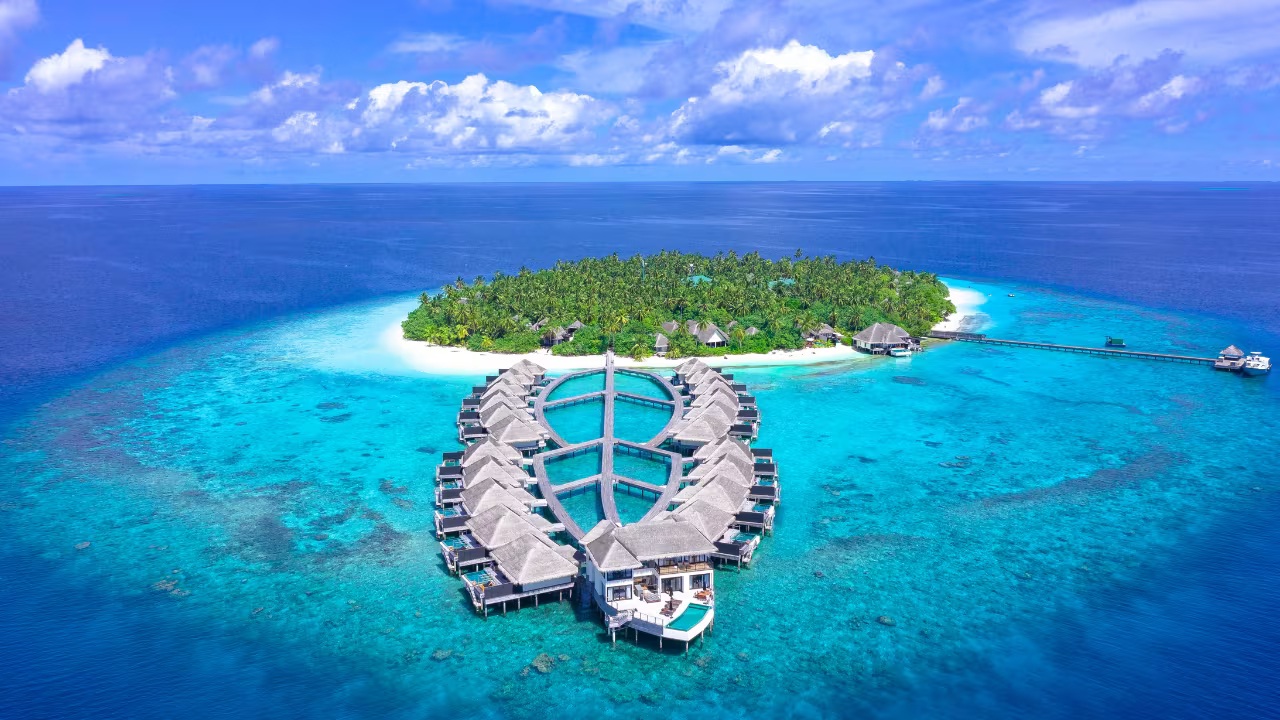
In an era of accelerating environmental change, a new travel trend has emerged, Last Chance Tourism (LCT). This form of travel is driven by a powerful idea: the desire to witness natural and cultural wonders before they disappear or are irreversibly altered. From melting glaciers and bleaching coral reefs to fragile wildlife habitats, LCT destinations are often those most visibly impacted by climate change and ecological degradation.
At the heart of Last Chance Tourism lies urgency. Travelers are motivated by the emotional pull of scarcity, the sense that time is running out. The opportunity to see a vanishing landscape “before it’s gone” creates a compelling narrative that resonates with growing global awareness of environmental loss. For many, however, this motivation is not isolated; it overlaps with broader interests such as adventure travel, nature exploration, and cultural discovery.
Encounters in these vulnerable environments often leave a lasting impression. Tourists frequently report feelings of awe, reflection, and even concern as they witness the tangible effects of environmental change. These emotional responses can deepen appreciation for the natural world and highlight the reality of climate challenges in ways that abstract data cannot.
Yet, Last Chance Tourism presents a clear ethical dilemma. The very act of traveling to threatened destinations can contribute to their decline. Increased air travel raises carbon emissions, while higher visitor numbers can strain delicate ecosystems and accelerate degradation. In this sense, LCT risks becoming a self-defeating cycle, where the desire to see endangered places hastens their disappearance.
Despite these concerns, LCT is not without potential benefits. Exposure to fragile environments can foster environmental awareness and inspire advocacy for conservation. However, research suggests that while travelers may leave with heightened concern, this does not always translate into sustained behavioral changes, such as reducing their carbon footprint or adopting more sustainable travel habits.
Across Africa, the relevance of Last Chance Tourism is becoming increasingly apparent. From the shrinking glaciers of East Africa to vulnerable coral reefs and climate-sensitive ecosystems in the Sahel and savannah regions, many destinations face mounting environmental pressure. This makes the role of sustainable tourism management especially critical on the continent.
For destination managers and policymakers, LCT underscores the need for balance. Strategies such as regulating visitor numbers, promoting responsible travel practices, supporting conservation initiatives, and encouraging low-impact tourism models are essential. The goal is not to discourage travel, but to ensure it contributes positively to the preservation of these environments. Ultimately, Last Chance Tourism reflects a broader shift in how people relate to the planet. It captures both a desire to experience the world’s beauty and a growing awareness of its fragility. The challenge moving forward is clear: to transform this awareness into meaningful action. Only then can tourism help safeguard the very places it seeks to celebrate, for both present and future generations.