
Algeria

Africa DMC Partner
Algeria DMC Partner
Contact us today to discover how you can become an official DMC partner in your region.
Africa DMC Group is a powerful, pan-African alliance of trusted Destination Management Companies, united under one strong, integrity-driven brand. By joining our network, you gain visibility, credibility, and access to a continent-wide platform designed to elevate your business, expand your reach, and deliver exceptional travel experiences across Africa.
Algeria – Gateway to the Sahara and Ancient Civilizations
Algeria is Africa’s largest country by land area and one of the continent’s most historically rich and geographically dramatic destinations. Located in North Africa along the Mediterranean coast, Algeria offers travelers a rare combination of ancient civilizations, vast desert landscapes, mountain ranges, and historic coastal cities. With its deep-rooted heritage and striking natural contrasts, Algeria appeals to travelers seeking cultural depth, history, and adventure away from heavily trafficked tourism routes.
Algeria’s geography is defined by powerful contrasts that stretch from the Mediterranean Sea to the heart of the Sahara Desert. The northern region features fertile coastal plains and rolling hills backed by the Tell Atlas Mountains, creating a temperate Mediterranean environment. Moving south, the land rises into the High Plateaus before descending into the Sahara, which covers more than eighty percent of the country.
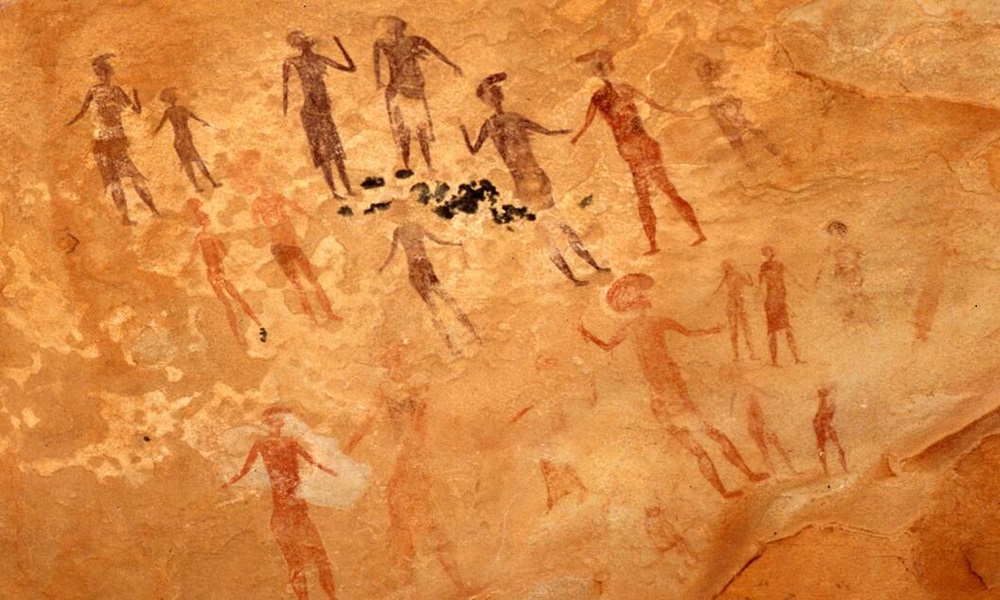
The Algerian Sahara is one of the world’s most spectacular desert regions, characterized by vast sand dunes, rocky plateaus, deep canyons, oases, and dramatic geological formations. Areas such as the Tassili n’Ajjer and Hoggar Mountains offer otherworldly scenery, ancient rock art, and volcanic landscapes, making Algeria a prime destination for desert exploration and nature-focused travel.
Algeria’s history spans thousands of years and reflects the influence of numerous civilizations, including Berber, Phoenician, Roman, Arab, Ottoman, and French cultures. This layered past is visible throughout the country in archaeological sites, historic cities, and architectural landmarks. Roman ruins such as Timgad and Djemila are among the best preserved in North Africa, offering insight into the region’s classical history.
Traditional Berber culture remains deeply rooted in Algeria’s identity, particularly in the Kabylie Mountains and Sahara regions. Music, storytelling, crafts, and traditional dress continue to play an important role in daily life. Arabic and Tamazight are widely spoken, alongside French, reflecting Algeria’s complex historical influences and cultural diversity.
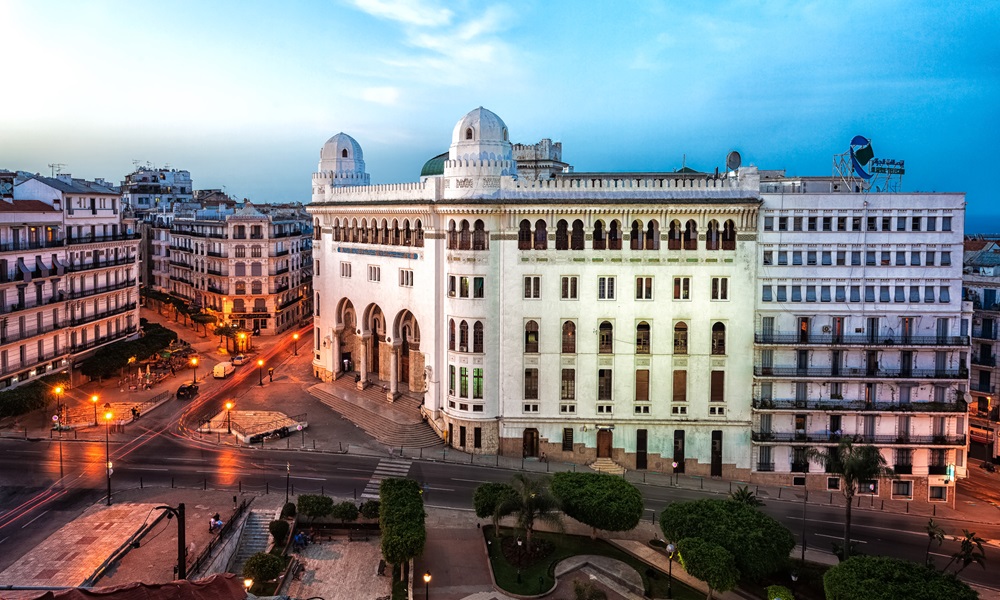
Algeria’s cities combine historical depth with modern North African life. Algiers, the capital, sits dramatically along the Mediterranean coast and is known for its whitewashed buildings, Ottoman-era Casbah, colonial architecture, and lively urban culture. The Casbah of Algiers, a UNESCO World Heritage Site, offers a maze of narrow streets, historic mosques, and traditional houses that reflect centuries of urban life.
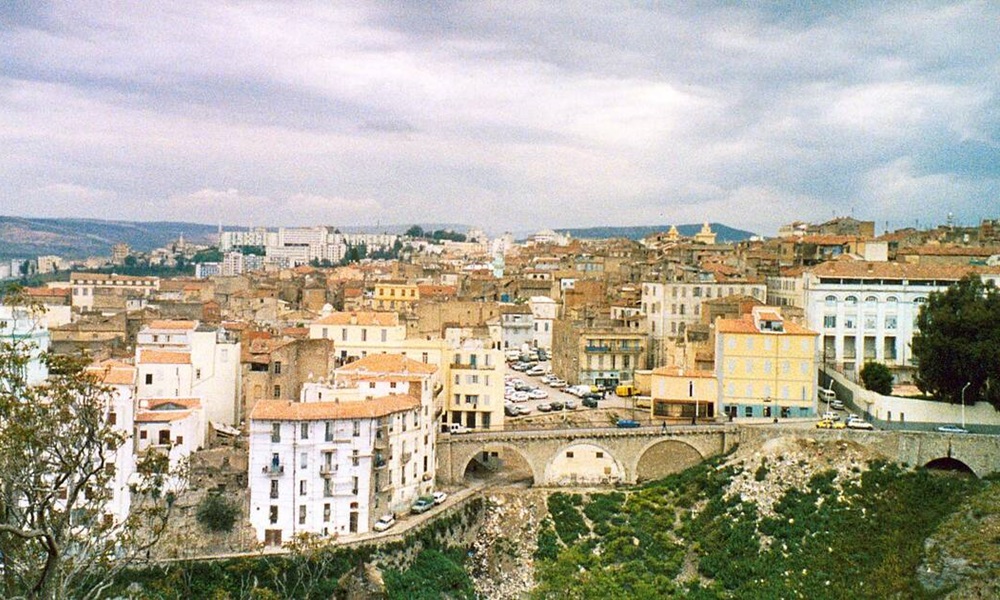
Other cities such as Oran, Constantine, Annaba, and Tlemcen each offer distinct identities shaped by history, geography, and cultural traditions. Constantine, famously built across deep gorges and connected by bridges, provides one of North Africa’s most dramatic urban landscapes. Oran offers a cosmopolitan coastal atmosphere influenced by Andalusian and Mediterranean culture.
The Sahara is central to Algeria’s tourism appeal and cultural identity. Desert travel in Algeria offers immersive experiences that include vast dune seas, ancient caravan routes, rock art dating back thousands of years, and traditional oasis settlements. Regions such as Tamanrasset, Djanet, and Timimoun serve as gateways to desert exploration and Tuareg culture.
The desert environment also provides exceptional stargazing, photography opportunities, and a sense of scale and solitude that is increasingly rare in modern travel. Algeria’s Sahara is particularly appealing to travelers seeking meaningful, slow-paced exploration and deep cultural engagement.
Algerian cuisine reflects a blend of Mediterranean, Berber, Arab, and Saharan influences. Meals are often centered around couscous, bread, vegetables, spices, and slow-cooked meats, with regional variations influenced by climate and local traditions. Coastal regions emphasize seafood, while desert areas rely on dates, grains, and preserved foods.
Daily life in Algeria places strong importance on family, hospitality, and community. Visitors often experience warm welcomes and a strong sense of cultural pride, particularly when engaging respectfully with local traditions and customs.
Algeria’s climate varies significantly by region. The Mediterranean coast enjoys mild, wet winters and warm, dry summers, making spring and autumn ideal for city exploration and cultural travel. The Sahara experiences extreme heat during summer months, while winter and early spring offer more comfortable conditions for desert travel.
Travelers planning to explore both coastal and desert regions often find October to April the most favorable period, allowing for a balanced experience across Algeria’s diverse landscapes.
Algeria stands out as a destination for travelers drawn to history, culture, and dramatic natural environments. Its vast desert landscapes, ancient archaeological sites, and culturally rich cities offer an experience that feels both timeless and deeply authentic. Less commercialized than many North African destinations, Algeria rewards curious travelers with meaningful encounters, striking scenery, and a profound sense of place.
For those seeking to explore North Africa beyond conventional routes, Algeria offers a powerful journey through history, desert landscapes, and enduring cultural traditions.
Professional Travel Management Across Africa
Africa DMC Group